

Sariya
Iron Rods: The Backbone of Modern Construction
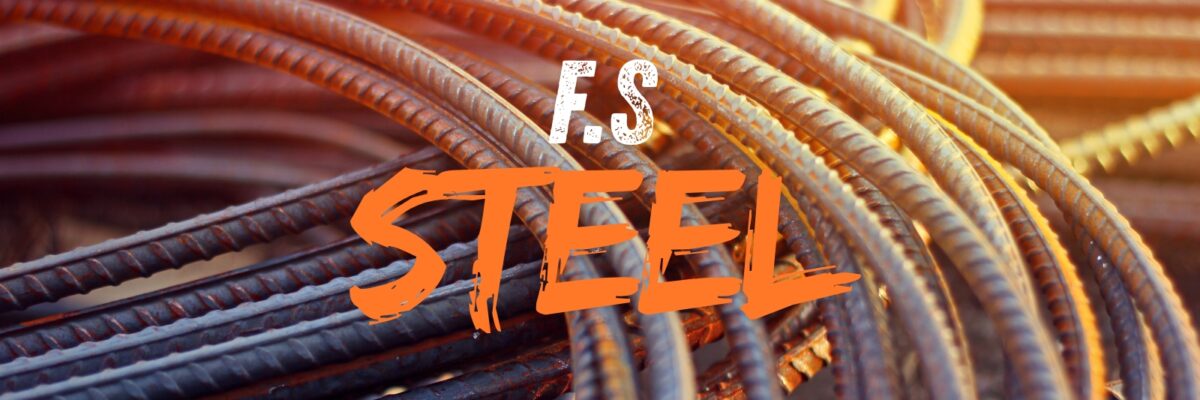
Iron rods, commonly referred to as sariya (specifically TMT bars or reinforcement bars), are the structural “tendons” of any building. While concrete is excellent at resisting compression (being squeezed), it is notoriously weak under tension (being pulled). Steel reinforcement provides that necessary tensile strength, ensuring structures can withstand earthquakes, heavy loads, and the passage of time.
1. Key Types of Sariya
In modern construction, not all iron rods are created equal. They are categorized based on their manufacturing process and strength:
TMT Bars (Thermo-Mechanically Treated): The industry standard. These have a hard outer core and a soft inner core, making them both strong and flexible.
Grade 450/500/600: These numbers represent the “Yield Strength” of the steel. For example, Grade 500W (where ‘W’ stands for weldability) is frequently used in residential and commercial projects for its balance of strength and ductility.
Deformed Bars: These feature ribs or “ribbing” on the surface to create a better mechanical bond with the concrete, preventing slippage.
2. Standard Sizes and Their Uses
Sariya is sold by diameter (thickness), usually measured in millimeters (mm). Choosing the right gauge is critical for structural integrity:
| Diameter | Common Usage |
| 6mm – 8mm | Used for stirrups (rings) that hold main bars together. |
| 10mm – 12mm | Standard for slabs, lintels, and small beams in residential homes. |
| 16mm – 25mm | Used for heavy-duty columns and foundation footings. |
| 32mm+ | Reserved for massive infrastructure like bridges, dams, and skyscrapers. |
3. Essential Quality Checks
When sourcing sariya for a project, look for these indicators of quality:
The Bend Test: High-quality TMT bars should be able to bend $180^\circ$ without cracking or breaking.
Rust vs. Corrosion: A light coating of surface rust is often okay (and can actually help bonding), but deep pitting or scaling indicates structural weakness.
Brand Markings: Look for the manufacturer’s stamp, the grade (e.g., Fe-500), and the diameter embossed directly on the rod every few feet.
Weight Consistency: Standard sariya should match the theoretical weight per meter. For instance, a 12mm rod should weigh approximately 0.888 kg/m.
4. Storage Best Practices
To maintain the integrity of the steel before it’s cast in concrete:
Elevate: Keep the rods off the bare ground using wooden planks or bricks to prevent moisture absorption.
Cover: Use tarpaulins if the steel will be exposed to rain for extended periods.
Clean: Ensure the rods are free from mud, oil, or grease before pouring concrete, as these substances prevent a proper bond.